Our Research Methodology
Research Approach
Our research process begins with identifying the questions that healthcare RCM professionals are asking. We use search data, industry forums, customer conversations, and conference topics to identify content gaps. For each topic, we research existing content, identify what is missing or inaccurate, and create content that provides genuine incremental value.
Data Sources
We rely on primary sources for all data: CMS publications and data files, HFMA MAP Keys benchmarks, AMA surveys and reports, AAPC industry data, MGMA (Medical Group Management Association) benchmarks, Department of Labor and Treasury guidance for NSA/IDR, and peer-reviewed healthcare management journals. We do not cite competitor content as a factual source.
Competitor Research
For comparison pages, we research competitor platforms through their public websites, product documentation, and publicly available customer testimonials. We do not make claims about competitor capabilities that are not publicly documented. When competitor information is limited or unavailable, we state that clearly rather than speculating.
Content Gap Analysis
Before creating content, we analyze existing resources on the topic to ensure our content provides incremental value. If a high-quality resource already exists, we do not create a competing article — instead, we identify a unique angle, deeper analysis, or practical application that the existing resource does not cover.
Honesty in Case Studies
We do not fabricate customer results. Case studies are labeled as either "Verified Customer Case Study" (with documented evidence), "Anonymized Verified Case Study" (real results with customer identity protected), or "Illustrative Revenue Cycle Automation Scenario" (demonstrating how the technology could be applied, not presented as actual results). The distinction is clearly displayed.
Other Editorial Pages
The latest from Sarva
Practical ideas for better revenue operations, smarter automation, and stronger healthcare teams.
 May 15, 2026
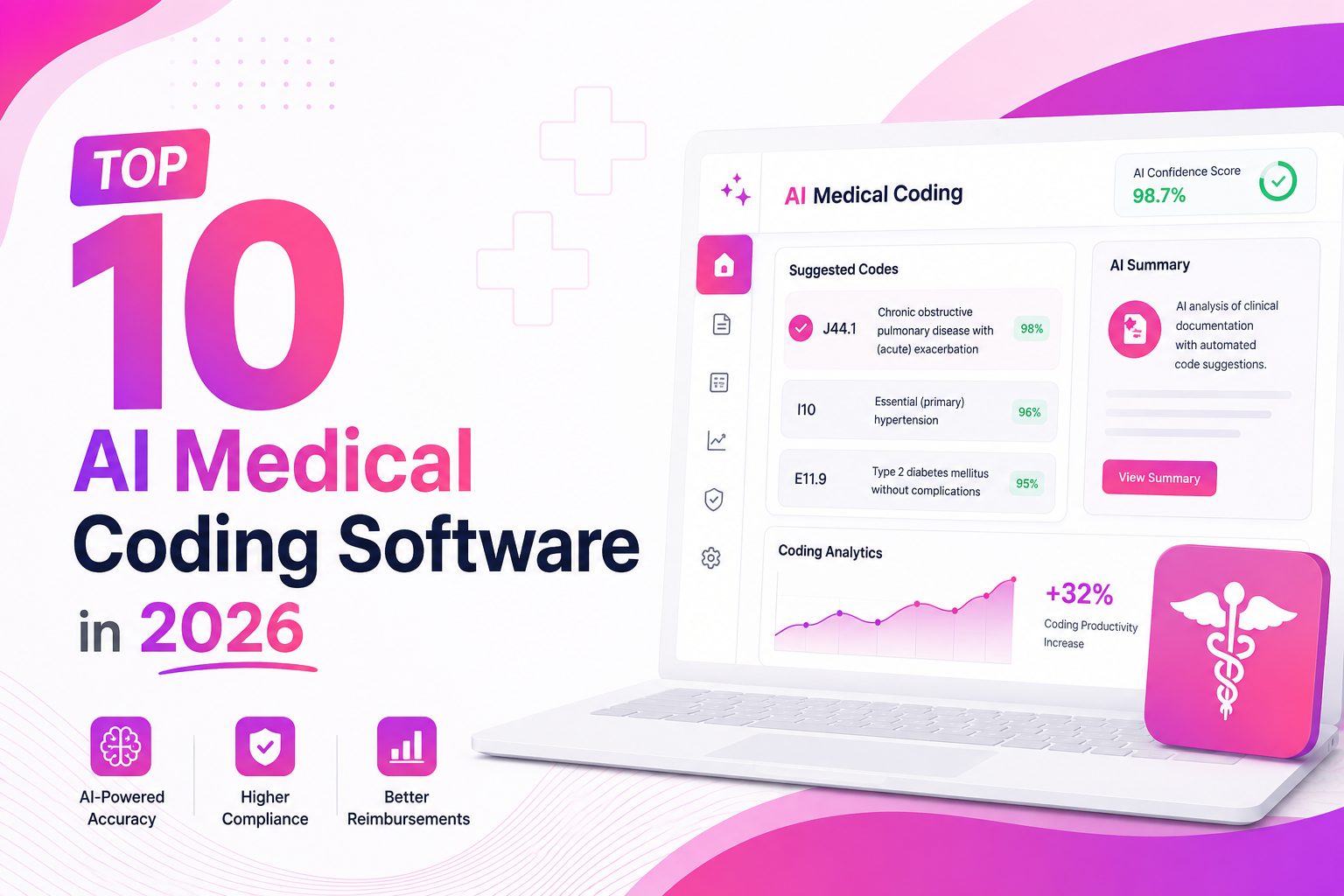
Top 10 AI Medical Coding Software in 2026
A practical comparison of AI-powered medical coding platforms transforming healthcare revenue cycle operations.
 May 8, 2026
How AI Is Eliminating Claim Denials Before They Happen
Discover how predictive AI catches denial-prone patterns before claims are submitted.
Apr 29, 2026Calculating the True ROI of RCM Automation
A practical framework for measuring how much revenue automation can recover for healthcare practices.
Have questions about our content?
We're happy to discuss our editorial standards and content.