Improve Clean Claim Rate with AI-Powered Validation
Clean claim rate measures the percentage of claims accepted by payers on first submission without requiring correction or additional information. AI-powered validation improves this metric by applying payer-specific rules, coding edits, and formatting checks before claims leave your system. Sarva targets clean claim rates above 95% by catching preventable errors at the source.
Assess Your Clean Claim RateThe Business Problem
A low clean claim rate creates a cascading financial impact: each rejected claim requires rework, resubmission, and additional processing time. The national average clean claim rate hovers around 75–80%, meaning 20–25% of claims require at least one rework cycle. Each cycle adds 14–30 days to the revenue cycle and consumes staff time that could be spent on collections.
Affected Team
Billing, coding, revenue cycle leadership, and CFOs. Clean claim rate is a top-tier RCM KPI that directly impacts cash flow, cost-to-collect, and staff productivity.
How It Works
Current Manual Workflow
Claims are submitted and a percentage come back rejected. Billers review each rejection, identify the cause, correct the claim, and resubmit. The cycle repeats until the claim is accepted or the timely filing deadline expires. The process is reactive — errors are caught only after the payer sees them.
Automated Workflow with Sarva
Sarva validates every claim before submission, applying payer-specific rules and coding edits. Claims that would have been rejected are caught and corrected internally — before they ever reach the payer. The result is a higher percentage of claims accepted on first submission, fewer rework cycles, and faster reimbursement.
Inputs
- Claim data with all codes and modifiers
- Payer-specific rule libraries
- Historical denial data for pattern analysis
- Provider and facility credentials
Outputs
- Validated clean claim ready for submission
- Clean claim rate metric tracking
- Denial trend analysis by payer and code
- Rework volume reduction reports
Human Oversight
Sarva routes borderline claims to staff with specific guidance. Staff confirm corrections and release claims. The system learns from corrections to improve future validation accuracy.
Security Considerations
All claim data is encrypted in transit and at rest. Full audit trails log every validation action. HIPAA BAA included. SOC 2 Type II certified infrastructure.
Integration Considerations
Works with your existing clearinghouse or directly with your practice management system. Sarva can operate as the primary scrubber or as a supplementary validation layer.
Limitations
Clean claim rate improvement cannot fix underlying documentation deficiencies. If clinical notes do not support the codes billed, no amount of scrubbing will prevent a medical necessity denial. Sarva identifies documentation gaps but cannot generate missing documentation.
Key Performance Indicators
See how this workflow applies to your practice.
Assess Your Clean Claim RateRelated Connectors
Related Articles
Frequently Asked Questions
The Healthcare Financial Management Association (HFMA) MAP keys recommend a clean claim rate of 95% or higher. The industry average is 75–80%. Practices using Sarva typically achieve rates above 94% within 60 days of implementation.
The latest from Sarva
Practical ideas for better revenue operations, smarter automation, and stronger healthcare teams.
 May 15, 2026
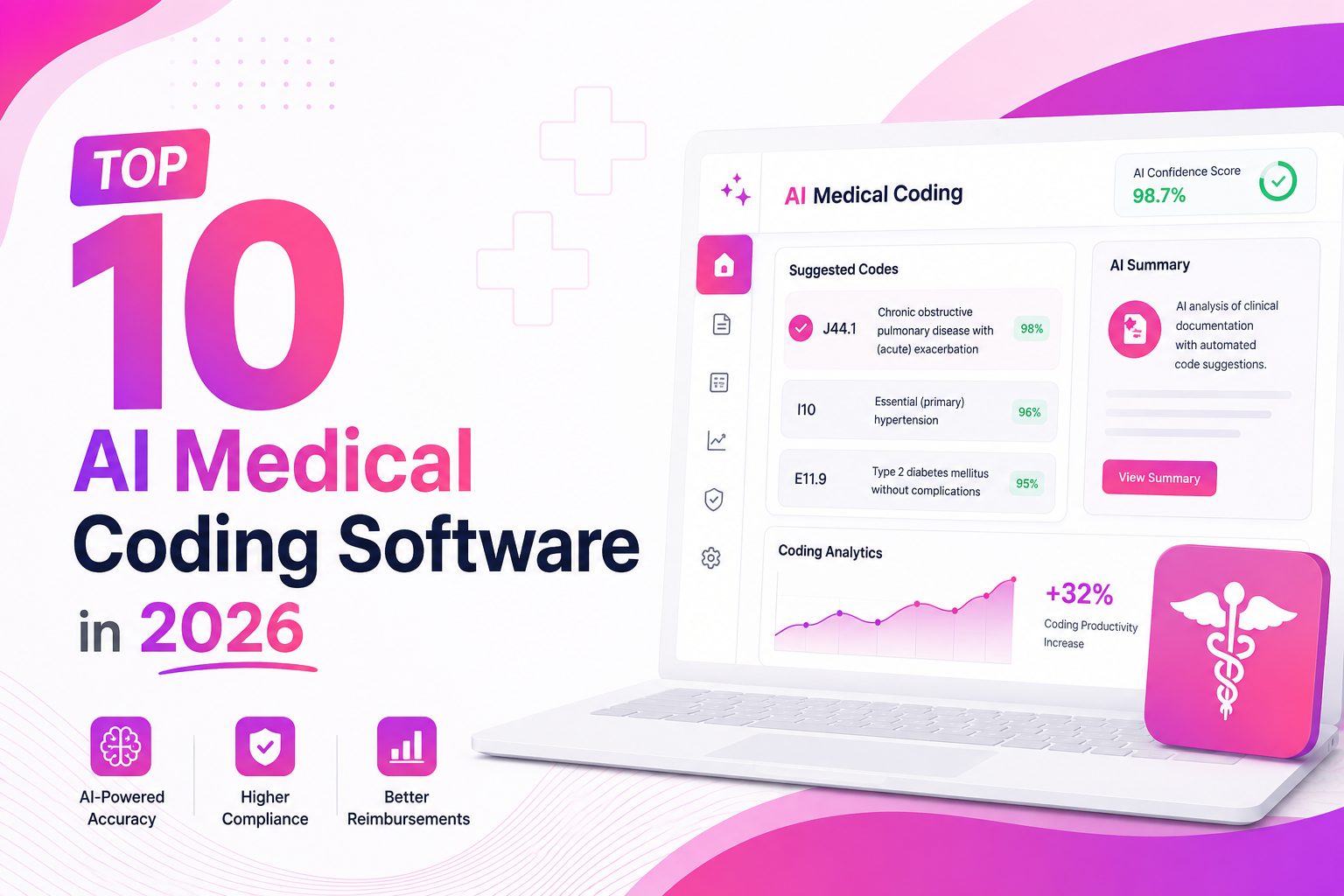
Top 10 AI Medical Coding Software in 2026
A practical comparison of AI-powered medical coding platforms transforming healthcare revenue cycle operations.
 May 8, 2026
How AI Is Eliminating Claim Denials Before They Happen
Discover how predictive AI catches denial-prone patterns before claims are submitted.
Apr 29, 2026Calculating the True ROI of RCM Automation
A practical framework for measuring how much revenue automation can recover for healthcare practices.
Ready to automate your revenue cycle?
Book a personalized demo and see how Sarva can apply this workflow to your practice.