NextGen Charge Entry Automation for Mental Health Practices
NextGen charge-entry automation for mental health practices can organize completed encounters, identify missing approved service details, and prepare a staff-review queue. Sarva first reviews the specific NextGen product, version, workflow, permissions, and approved interface or export options before proposing an implementation.
Designed for: Mental health practices and behavioral health organizations using a NextGen Healthcare PM or EHR product.
What administrative problem does this solve?
These workflows are often distributed across inboxes, portals, worklists, and spreadsheets. The practical opportunity is to make ownership and exceptions visible without removing qualified staff from decisions.
- Encounters are completed in one workflow but charges are entered or reconciled in another.
- Different NextGen product lines and versions may expose different fields, permissions, and export options.
- Missing service details and duplicate candidates require manual review before submission.
What can be automated?
- Identify the source of completed encounter and service data.
- Map approved fields to the charge-entry review queue.
- Flag missing, conflicting, or duplicate information.
- Return approved records to the practice’s established billing handoff.
Implementation sequence
- 01Confirm the exact NextGen product and version in use.
- 02Document current charge-entry screens, exports, queues, and approvals.
- 03Test a limited sample using non-production or de-identified records where available.
- 04Measure completeness, exception handling, and staff review time before expanding.
Software and compatibility considerations
NextGen Healthcare offers practice-management and EHR products, including behavioral-health solutions. This page does not claim a native Sarva integration. A compatibility review must confirm the exact product, version, available API or export, security requirements, and customer-approved access.
Human review and escalation
Mental health staff and billing professionals retain responsibility for service validation, coding, documentation, authorization, and final charge approval. Automation should stop and escalate when records conflict.
Pilot measures to evaluate
Use these as evaluation criteria against a documented baseline. They are not promised outcomes.
- Encounter-to-charge turnaround
- Missing-field rate
- Duplicate candidates reviewed
- Exception resolution time
- Approved-record accuracy
Information needed for an assessment
- NextGen product and version
- Encounter and service fields
- Approved export or interface path
- User roles and permissions
- Staff review policy
Frequently Asked Questions
No. The project should begin with a product-and-version compatibility review. Available exports, interfaces, permissions, and customer approvals determine the feasible approach.
The latest from Sarva
Practical ideas for better revenue operations, smarter automation, and stronger healthcare teams.
 May 15, 2026
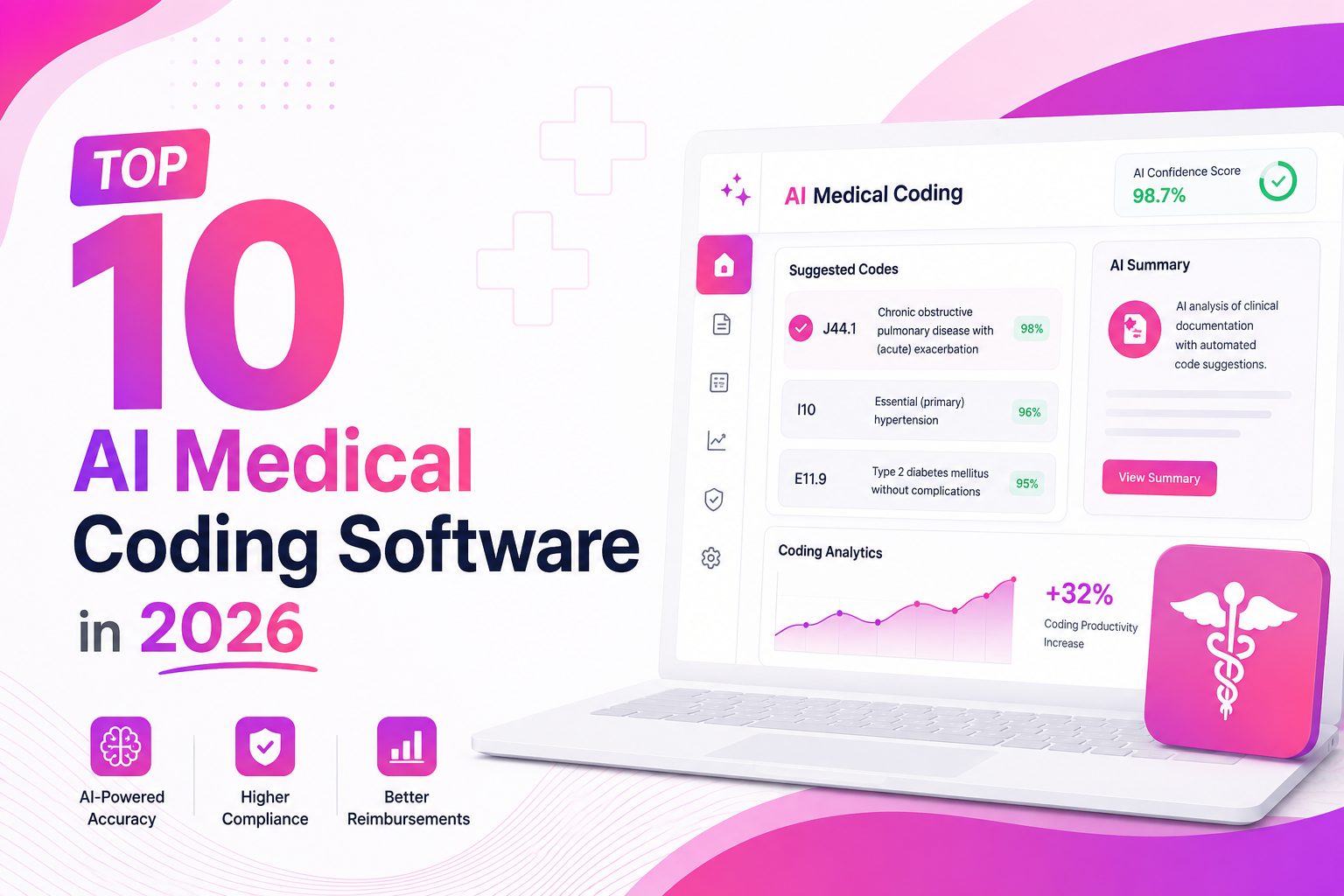
Top 10 AI Medical Coding Software in 2026
A practical comparison of AI-powered medical coding platforms transforming healthcare revenue cycle operations.
 May 8, 2026
How AI Is Eliminating Claim Denials Before They Happen
Discover how predictive AI catches denial-prone patterns before claims are submitted.
Apr 29, 2026Calculating the True ROI of RCM Automation
A practical framework for measuring how much revenue automation can recover for healthcare practices.
Review this workflow with Sarva
Bring your current process, software details, and exception rules. We will help identify what is suitable for a staff-reviewed pilot.