How to Evaluate a Medical Billing Company for Private Practice
6 min read
A private practice should evaluate a billing company on how it handles its specific payer mix, self-pay and patient balances, denial appeals, and reporting. Confirm approval rights and data access before signing. No company can guarantee reimbursement levels or payer decisions.
Match the company to your payer mix
A private practice may have a different payer mix, patient balance pattern, and cash collection process than a hospital-affiliated clinic. Ask prospective companies how they handle your mix, not how they handle "typical" practices.
Evaluation checklist
- Clear description of tasks performed and tasks kept in-house
- Written approval process for claims, adjustments, and appeals
- Reporting on denials, receivables, and patient balances
- Data security practices and a business associate agreement
- Itemized fees and exit terms
Where Sarva fits
Sarva offers revenue cycle automation and staff-reviewed workflows. Private practices that keep billing in-house or with a current partner can use it to standardize eligibility checks, claim review, and denial follow-up. Confirm the current scope before comparing it with outsourced providers.
Frequently Asked Questions
Not always, but evaluate the company against your payer mix and patient balance process specifically.
The latest from Sarva
Practical ideas for better revenue operations, smarter automation, and stronger healthcare teams.
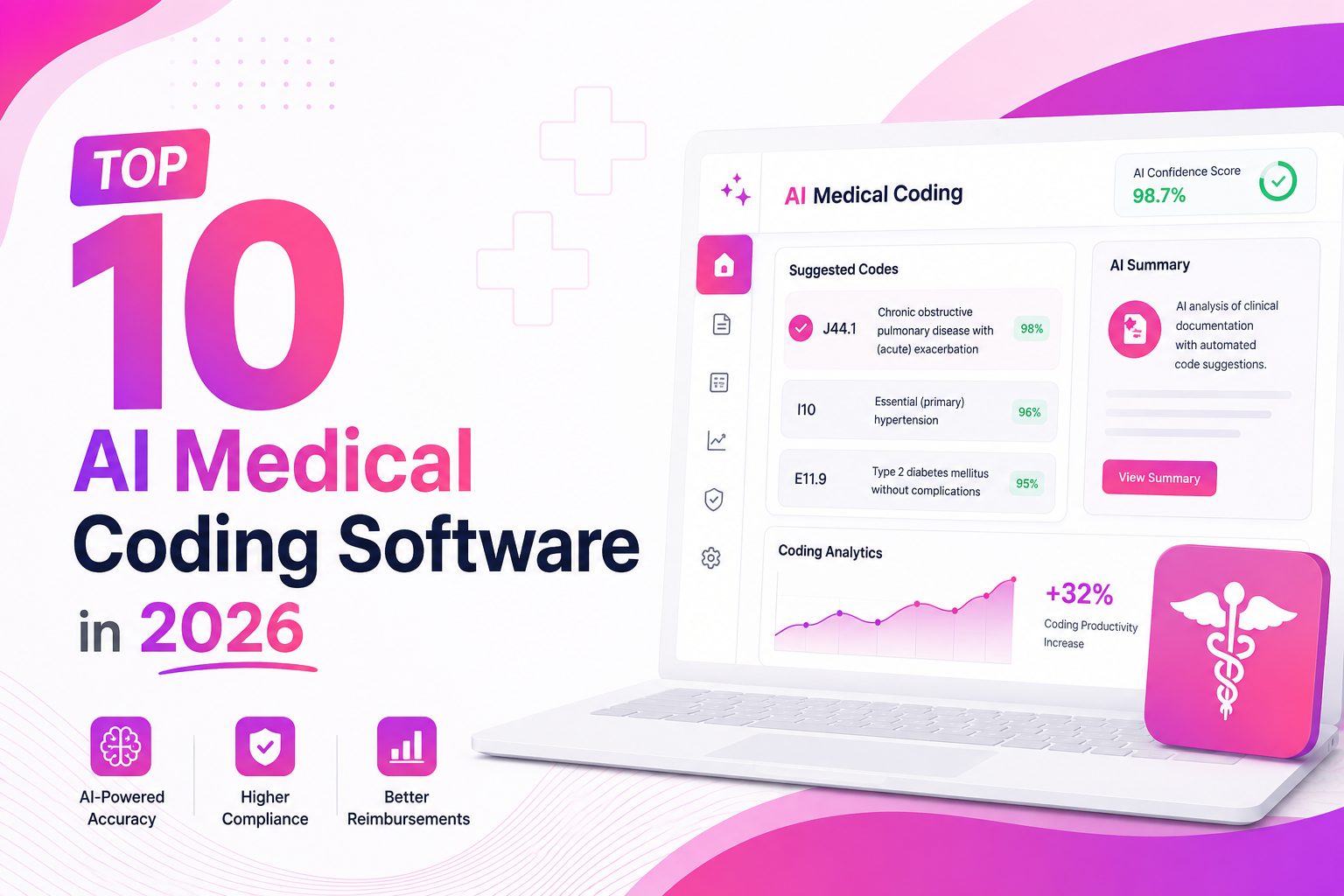 May 15, 2026
Top 10 AI Medical Coding Software in 2026
A practical comparison of AI-powered medical coding platforms transforming healthcare revenue cycle operations.
 May 8, 2026
How AI Is Eliminating Claim Denials Before They Happen
Discover how predictive AI catches denial-prone patterns before claims are submitted.
Apr 29, 2026Calculating the True ROI of RCM Automation
A practical framework for measuring how much revenue automation can recover for healthcare practices.
Review your private practice billing
Share your payer mix and denial reasons. Sarva will help you see where workflow changes would matter most.